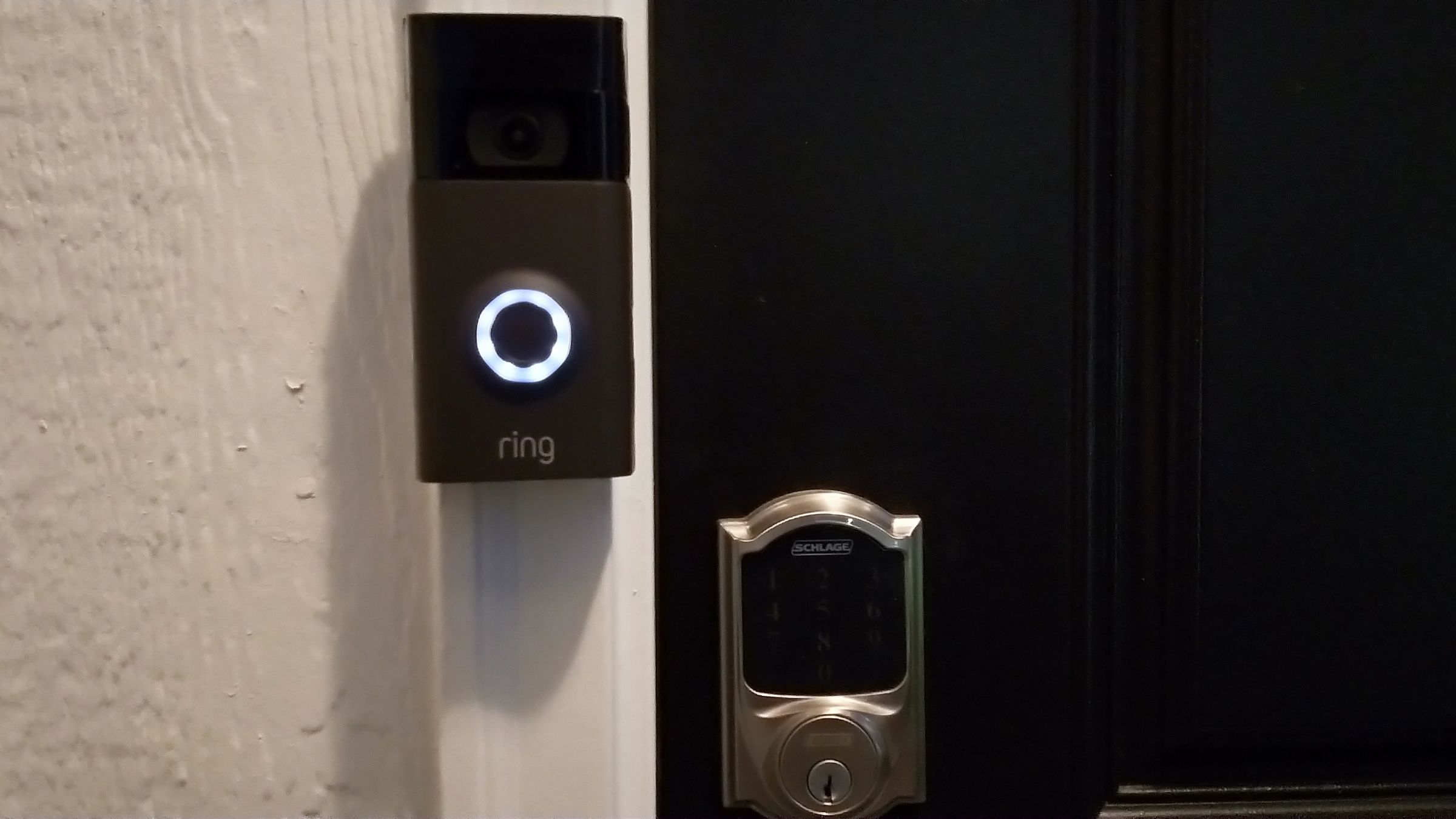
If you stop paying a monthly access-control subscription, your cloud-dependent smart lock does not turn back into an ordinary mechanical deadbolt—it turns into an unreliable, locked-down brick that locks out guests, breaks your automation routines, and leaves your household vulnerable to remote server outages.
When Chamberlain shut down its free third-party API for MyQ garage door openers, hundreds of thousands of homeowners suddenly found their Home Assistant, Homebridge, and automated arrival routines disabled overnight unless they surrendered to proprietary paywalls and cloud advertising.
A home’s physical perimeter—your front door deadbolt and garage overhead door—should never depend on an external cloud server’s balance sheet.
By prioritizing ANSI/BHMA Grade 1 physical hardware, Matter over Thread local mesh, and offline dry-contact relays, you can build a secure, zero-subscription access perimeter that continues locking, unlocking, and issuing guest codes even if your internet service provider cuts out for a week.
Smart Lock Security & Physical Vulnerability Audit
Calculate physical kick-in resistance, annual subscription traps, battery runtime, and emergency lockout vulnerability based on your deadbolt hardware and protocol.
Loading Audit...
What Actually Happens When You Cancel Access Subscriptions?
Manufacturers market smart locks with promises of “convenience,” but their underlying business models frequently rely on software lock-in. When a cloud-locked device loses its subscription or the company changes its terms of service, three immediate failures occur:
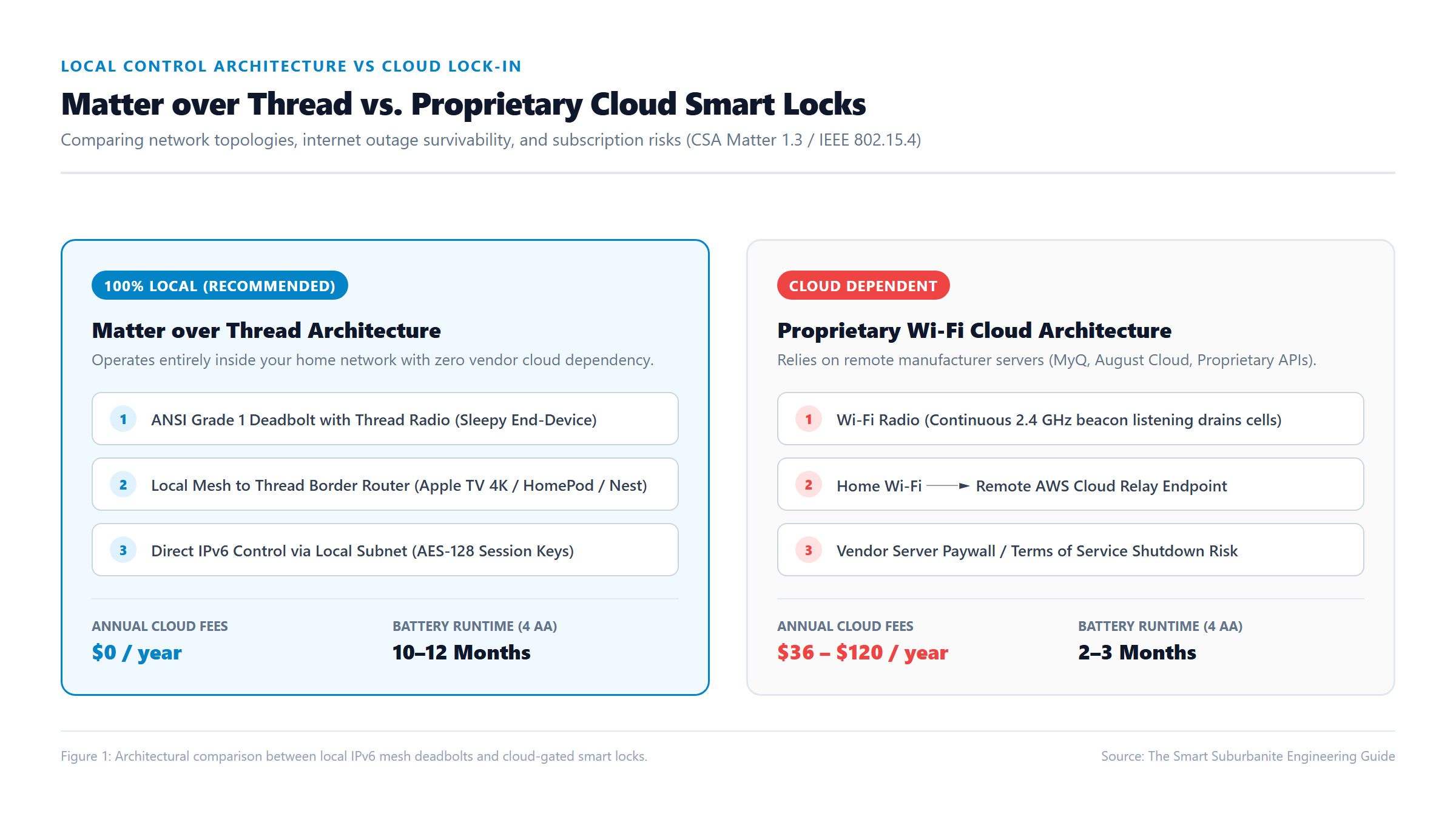 Figure 1: Architectural comparison between local IPv6 mesh deadbolts and cloud-gated smart locks. Matter over Thread isolates access packets from external cloud downtime while cutting battery-draining Wi-Fi polling. Diagram: The Smart Suburbanite.
- Guest Code Management Revocation: Brands often relegate scheduled guest codes (such as letting a dog walker in between 1:00 PM and 3:00 PM on weekdays) to premium tiers ($3 to $10/month). Without the subscription, codes must be typed manually or given as permanent master PINs.
- Video & Audit Trail Erasure: Video doorbells and camera-equipped smart locks (like eufy Video Smart Lock or Lockly Vision) cut off historical event logs, leaving you with live-view only and zero evidence following a doorstep package theft.
- Third-Party Automation Breakage: When cloud servers are altered, local platform integrations (Apple Home, Home Assistant) stop receiving state updates, leaving garage doors open and doors unlocked without warnings.
Physical Security First: Why ANSI/BHMA Grade 1 Trumps Face Recognition
Tech companies love marketing biometric sensors, palm scanners, and smartphone geofencing. But burglars do not hack AES-256 encryption chips; they kick doors, drive sledgehammers into strike plates, or attack deadbolts with cordless reciprocal saws.
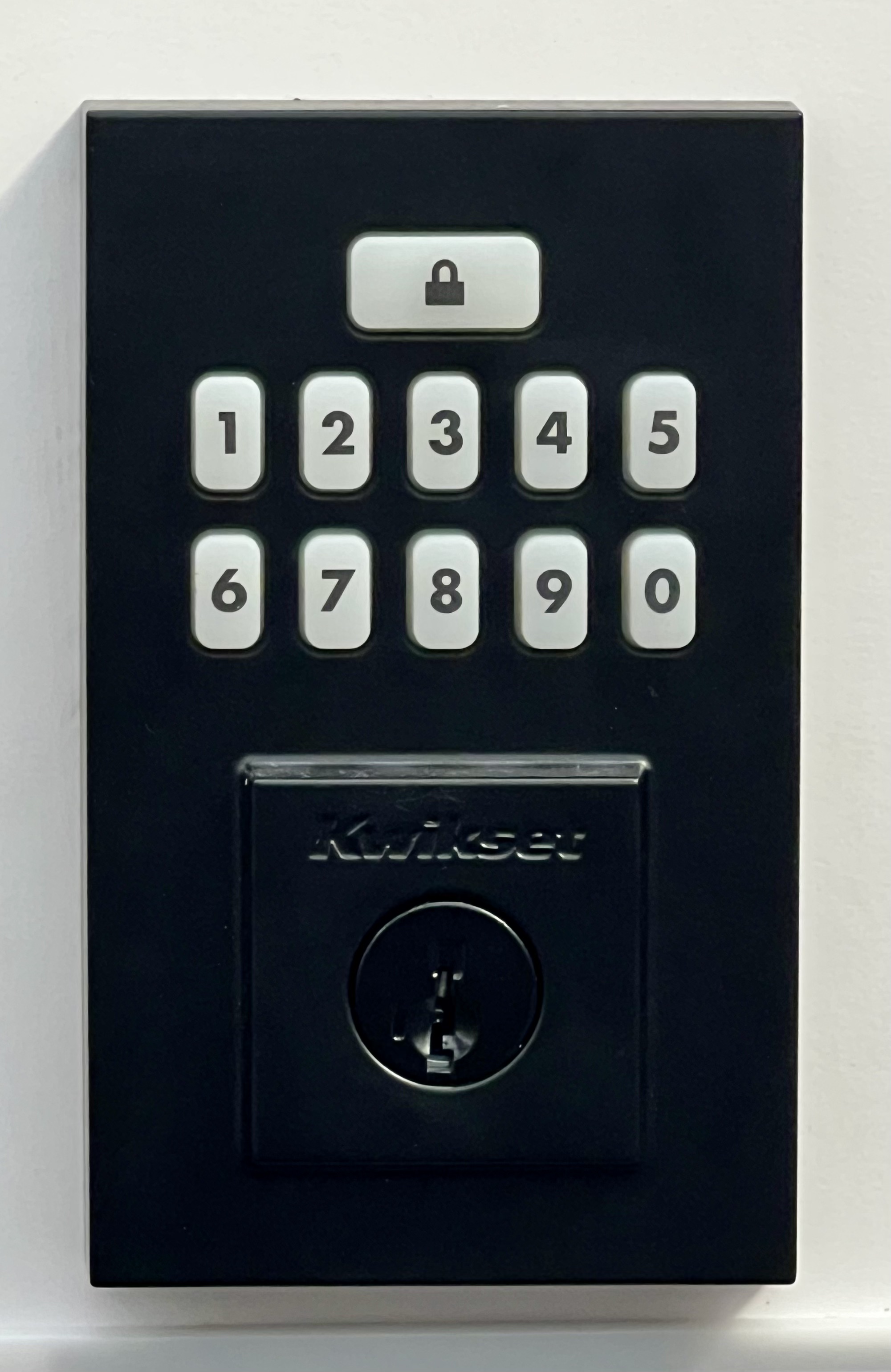 Figure 2: Authentic electronic deadbolt lock hardware assembly showing the external keypad housing, hardened steel throw bolt, internal motorized drive mechanism, and battery tray. Photo: TaurusEmerald, CC BY-SA 4.0 via Wikimedia Commons.
The Builders Hardware Manufacturers Association (BHMA) and the American National Standards Institute (ANSI) classify locks into three rigorous grades under ANSI/BHMA A156.36:
| Security Benchmark | Grade 3 (Residential Minimum) | Grade 2 (Standard Commercial) | Grade 1 (Heavy Commercial / Top Residential) |
|---|---|---|---|
| Deadbolt Bolt Throw | Often hollow or zinc alloy | 1-inch throw | Solid 1-inch hardened steel with free-spinning internal roller pin (resists hacksaws) |
| Hammer Blow Impact Test | 2 blows of 75 ft-lbs | 5 blows of 75 ft-lbs | 10 heavy sledgehammer blows (150 ft-lbs total impact resistance) |
| Operational Duty Cycles | 100,000 cycles | 150,000 cycles | 250,000 continuous door open/close cycles |
| Door Jamb Strike Screws | 3/4-inch screws (pulls out of pine jambs) | 1-inch screws | 3-inch hardened steel screws anchoring 4 inches into wall framing studs |
| Typical Smart Lock Models | Cheap Amazon marketplace locks | Yale Assure 2, August Smart Lock | Schlage Encode Plus, Schlage Camelot / Century Commercial |
If a smart lock is only rated Grade 2 or Grade 3, a heavy kick to the door frame will shatter the strike plate long before any digital security feature comes into play. Never buy an exterior deadbolt that lacks an authentic ANSI/BHMA Grade 1 certification.
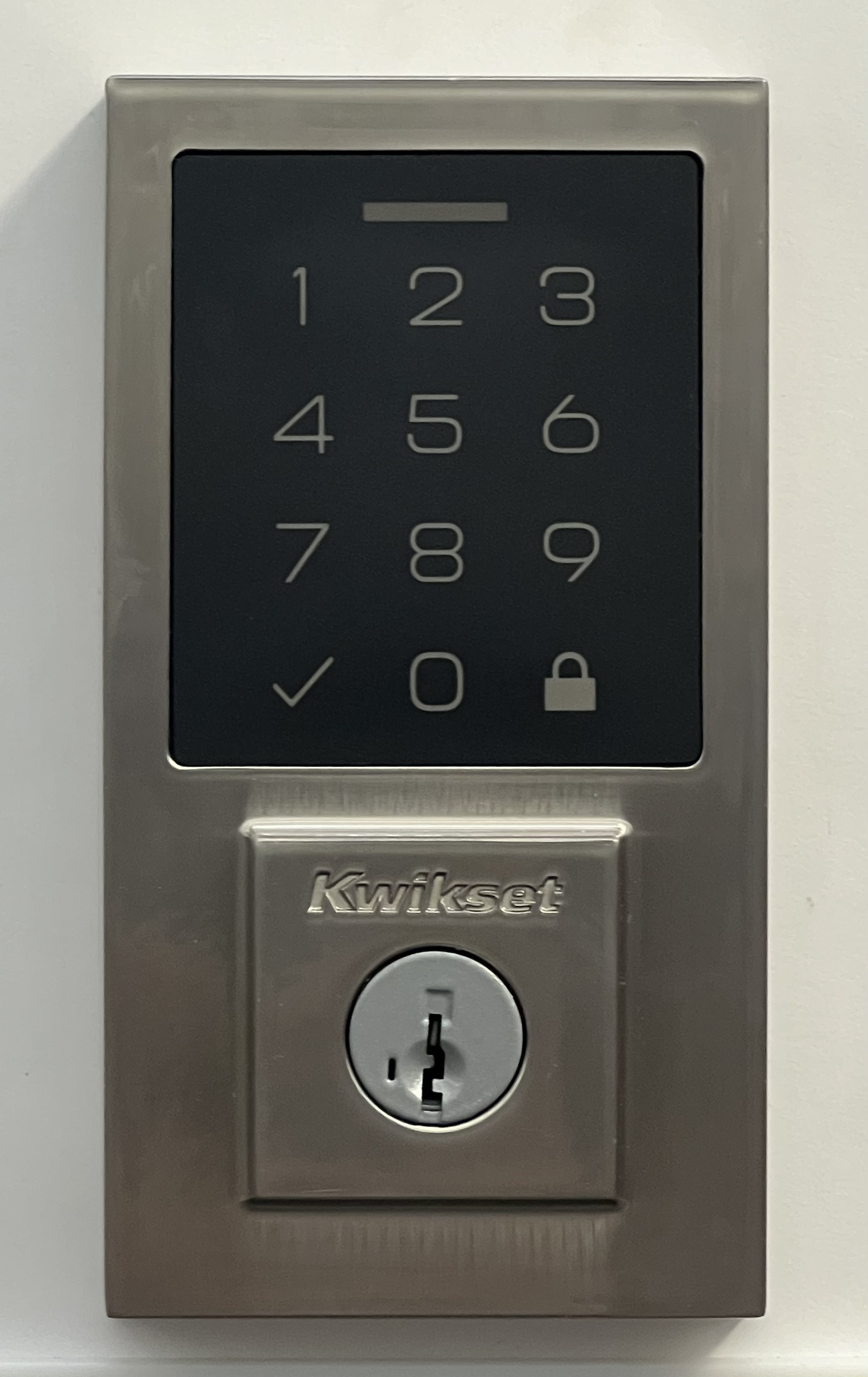 Figure 3: Real-world electronic deadbolt keypad mounted on an exterior residential door. Mechanical brass key cylinder below the illuminated touch buttons provides physical override insurance during electronics failure. Photo: TaurusEmerald, CC BY-SA 4.0 via Wikimedia Commons.
The Zero-Cloud Trifecta: Matter over Thread, Apple HomeKey, and Zigbee
To eliminate recurring monthly subscription fees and insulate your house from cloud shutdowns, select access hardware utilizing one of three local communication protocols:
1. Matter over Thread (The Modern Local Standard)
Thread is a self-healing, low-power IPv6 mesh network that communicates directly with a local border router (such as an Apple TV 4K, HomePod mini, or SmartThings Hub).
- Zero Cloud Latency: When you tap your phone to unlock a Schlage Encode Plus or Yale Assure Lock 2 (Matter version), the unlock packet travels directly over Thread inside your house. It never pings an external AWS data center.
- Outage Immunity: Even if your fiber or cable internet line is physically severed by a storm, your phone and local keypad continue unlocking the door instantaneously.
2. Apple HomeKey with Power Reserve
Apple HomeKey uses near-field communication (NFC) embedded in iPhone and Apple Watch hardware.
- Tapping your device against the lock housing authenticates within 200 milliseconds without opening an app or waiting for Bluetooth discovery.
- Express Mode with Power Reserve: Even if your iPhone battery dies completely and shuts down, the NFC chip remains powered by residual reserve energy for up to 5 hours, ensuring you never get locked out with a dead phone.
3. Local Dry-Contact Relays for Garage Doors (The Anti-MyQ Fix)
If you own a Chamberlain, LiftMaster, or Craftsman garage door opener, do not pay for cloud garage subscriptions.
- Install a ratgdo (Residential Access to Garage Door Openers) microcontroller or a Meross MSG100HK local dry-contact switch.
- These hardware modules connect directly to the garage motor’s yellow/purple/red security terminal pins, translating local Apple HomeKit or Home Assistant commands into native rolling-code signals without routing data through Chamberlain’s servers.
Hardware Fallbacks: What to Check on the Exterior Escutcheon
A digital circuit board can fail due to static discharge, severe winter freezes, or battery corrosion. Every trustworthy smart lock must feature two physical fallbacks on its exterior housing:
- A Standard 5-Pin or 6-Pin Keyway: Never buy a completely “keyless” smart deadbolt that lacks a physical keyhole unless you have a secondary keyed entry door into the house. Ensure the keyway uses a standard North American cylinder—specifically Schlage SC1 or Kwikset KW1—so a local locksmith can rekey it to match your existing house keys.
- Exterior 9-Volt Emergency Jump Terminals: If your smart lock does omit a physical keyway (such as the Yale Assure SL), verify that the bottom of the exterior keypad features two metal contact nubs. Touching an ordinary 9V alkaline battery against those terminals powers the keypad temporarily, allowing you to punch in your master PIN and gain entry when internal AA batteries deplete.
The Access Hardware Comparison Matrix
| Model & Category | Physical Rating | Protocol & Local Support | Monthly Fee | Outage Fallback | Recommendation |
|---|---|---|---|---|---|
| Schlage Encode Plus | ANSI Grade 1 | Matter over Thread / Apple HomeKey / Wi-Fi | $0 | Physical Schlage C-Keyway | 🟢 Top Pick for Single-Family Homes |
| Yale Assure Lock 2 (Touch/Keyed) | ANSI Grade 2 | Matter / Thread / Bluetooth (with module) | $0 | Physical KW1/SC1 Keyway | 🟢 Strong Pick for Multi-Ecosystems |
| Ultraloq U-Bolt Pro (Matter) | ANSI Grade 1 | Matter over Thread / Fingerprint | $0 | Concealed Physical Key | 🟢 Best Biometric Option |
| Chamberlain MyQ Smart Garage | Proprietary | Wi-Fi Only (Cloud-Dependent) | $0 basic / $36+ API | Wall button only | 🔴 Avoid — Cloud Lock-In & Paywalled APIs |
| ratgdo v2.5i (Garage Module) | Hardware Board | Local ESPHome / MQTT / HomeKit | $0 | Native Wall Console | 🟢 Best Garage Opener Retrofit ($45) |
Practical Homeowner Action Plan
- Verify Your Front Door Deadbolt Grade: Inspect your current strike plate. If it is secured with short 3/4-inch screws into soft wood, replace them immediately with 3-inch hardened steel screws driven into the wall’s 2x4 framing studs.
- Audit Your Garage Opener Protocol: If you currently use the MyQ app, disconnect its cloud link and wire a local $45 dry-contact controller to insulate your garage from server outages.
- Store a 9V Battery and Physical Key Off-Site: Keep one mechanical brass key in your car’s glove box or with a trusted neighbor. Digital smart convenience is a luxury; mechanical brass keys are your ultimate insurance policy.