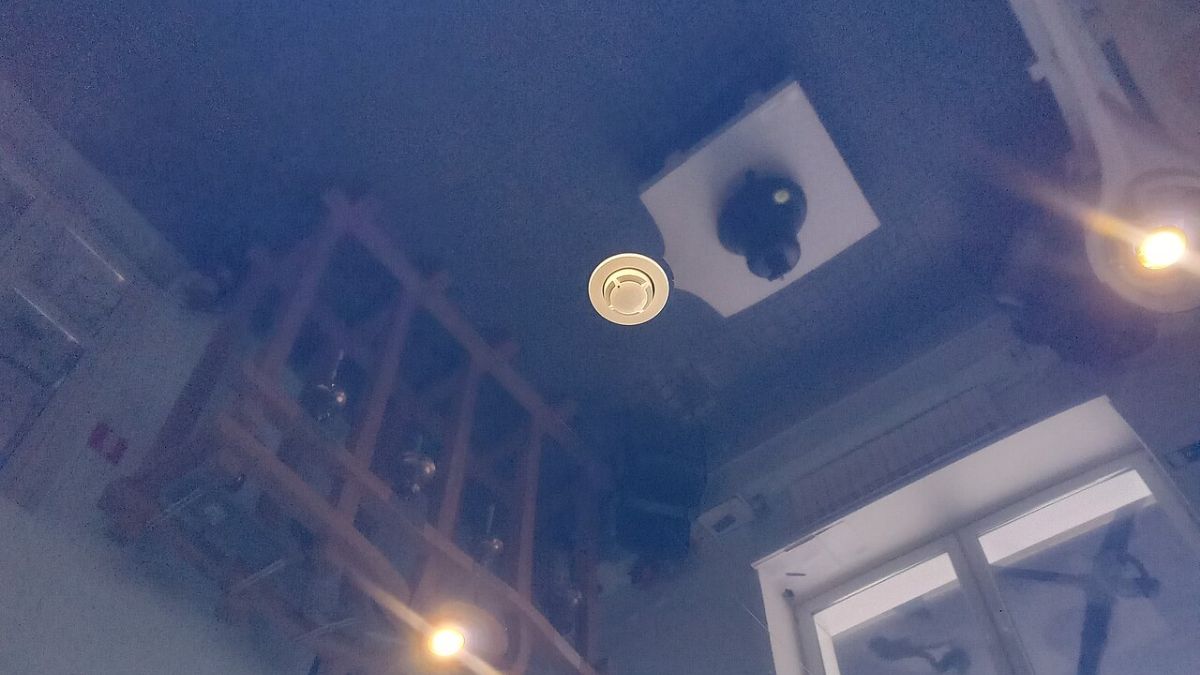
Every smoke alarm mounted on a residential ceiling has a hard expiration date: under National Fire Protection Association code (NFPA 72, Chapter 29), smoke alarms must be replaced 10 years from the date of manufacture stamped on the backplate—not the date of installation. When a single unit begins chirping at 3:00 AM from an end-of-life sensor fault, homeowners frequently discover that their entire hallway network was installed during the same construction week and must be replaced together.
Upgrading expiring alarms to smart or interconnected smoke and carbon monoxide (CO) detectors adds smartphone alerts when you are away from home and voice location announcements during an emergency.
However, life-safety hardware is not an ordinary smart-home gadget. A detector’s primary job is governed by UL 217 (8th Edition) for smoke sensing, UL 2034 for carbon monoxide sensing, and residential building codes requiring interconnected 120VAC wiring with battery backup. This pre-purchase and planning guide compares current safety standards and official manufacturer documentation; our editorial team did not conduct live fire testing or modify residential branch wiring.
Why UL 217 (8th Edition) Matters More Than App Features
For decades, residential smoke detectors relied on either ionization sensors (which react quickly to fast-flaming fires but trigger constantly from burnt toast or pan-searing) or basic single-wavelength photoelectric sensors (which respond better to smoldering fires). According to NFPA residential fire reports, nuisance alarms from routine cooking are the leading reason homeowners remove batteries or disconnect hardwired detectors—leaving homes with non-working alarms.
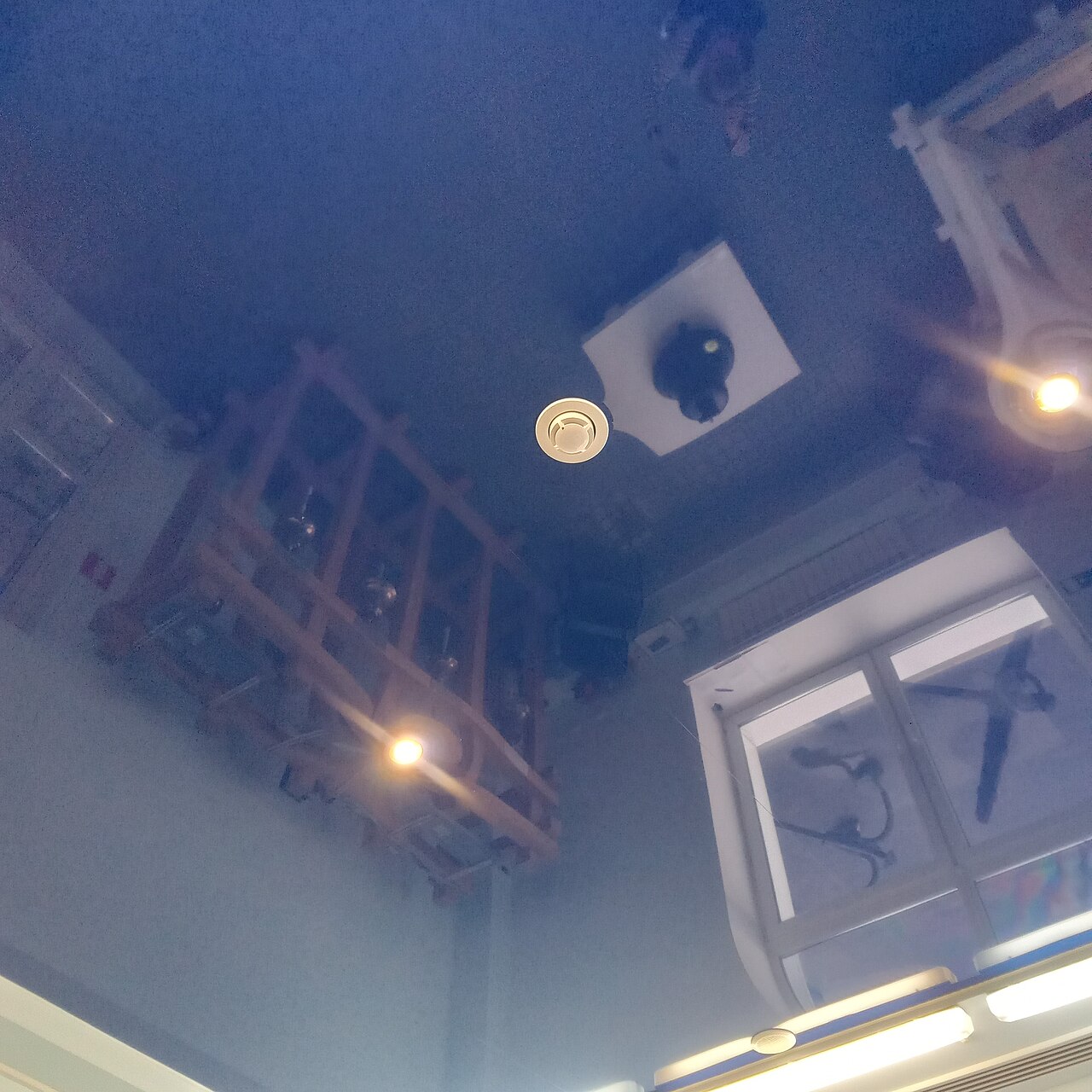 A ceiling-mounted residential photoelectric smoke detector. Under NFPA 72, every smoke alarm must be replaced 10 years after its manufactured date. (Photo: Georg Pik via Wikimedia Commons, CC0 Public Domain).
At the same time, modern home furnishings made with synthetic polyurethane foam burn faster and produce thicker, toxic smoke than legacy cotton or wood materials. To solve both problems simultaneously, Underwriters Laboratories introduced UL 217 (8th Edition), which enforces two strict physical certification hurdles:
- The Cooking Nuisance Resistance Test (Broiling Burgers): Alarms must resist sounding a false alarm when exposed to standardized cooking aerosols from broiling hamburgers before smoke obscuration reaches true hazard levels.
- The Polyurethane Foam Fire Test: Alarms must detect both fast-flaming and smoldering synthetic polyurethane foam fires within strict time limits, ending the historic trade-off where ionization units lagged on smoldering foam and basic photoelectric units lagged on fast flames.
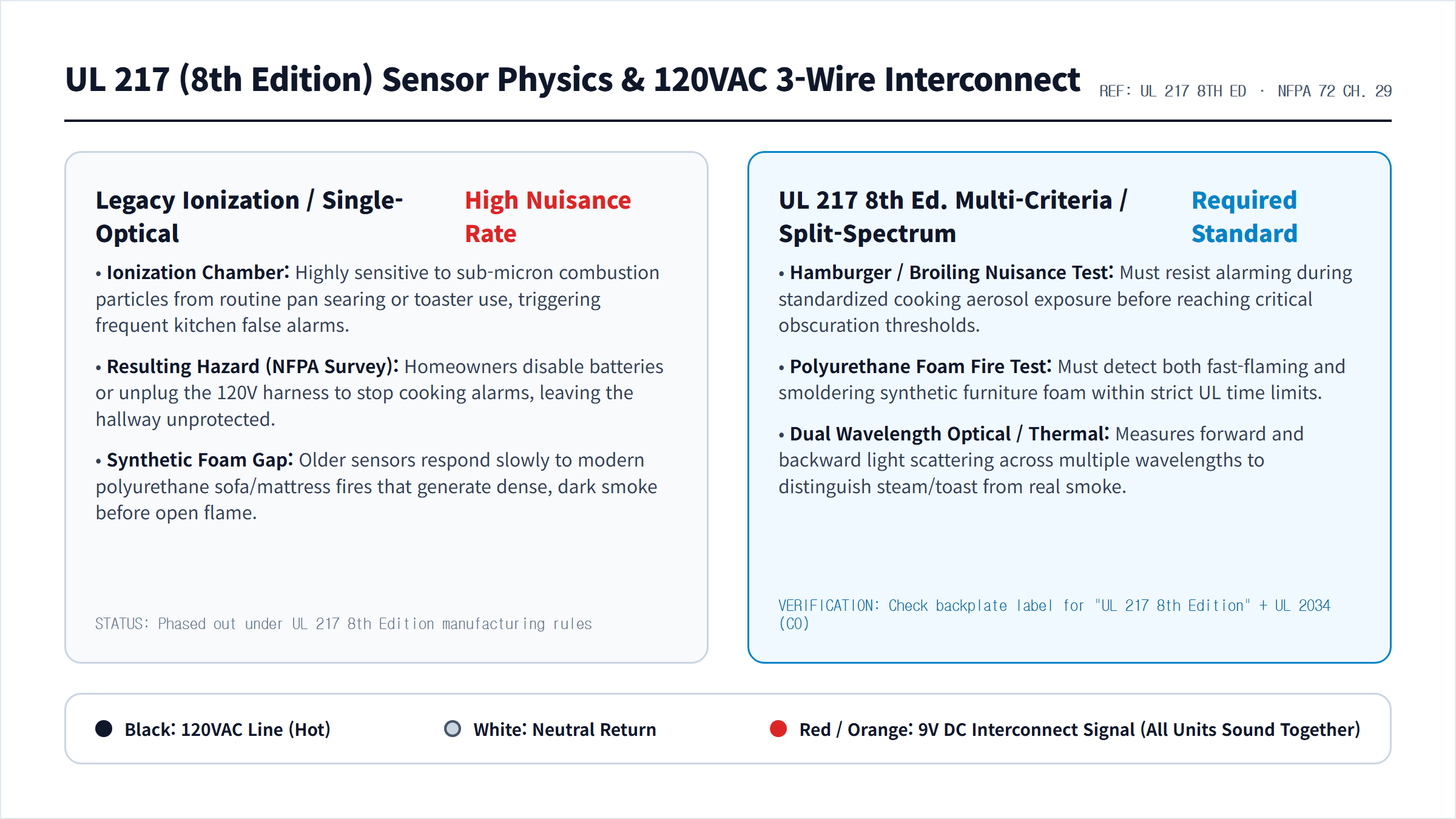
When shopping for any replacement detector—smart or traditional—verify that the specification sheet explicitly lists UL 217 8th Edition compliance (often marketed as “multi-criteria optical,” “split-spectrum photoelectric,” or “advanced photoelectric”). Avoid legacy single-sensor ionization clearance stock.
Carbon Monoxide (UL 2034) Placement and Sensor Lifespan
Combining smoke and carbon monoxide detection into a single ceiling puck simplifies wall clutter, but not every room needs a combination unit—and not every CO sensor lasts 10 years.
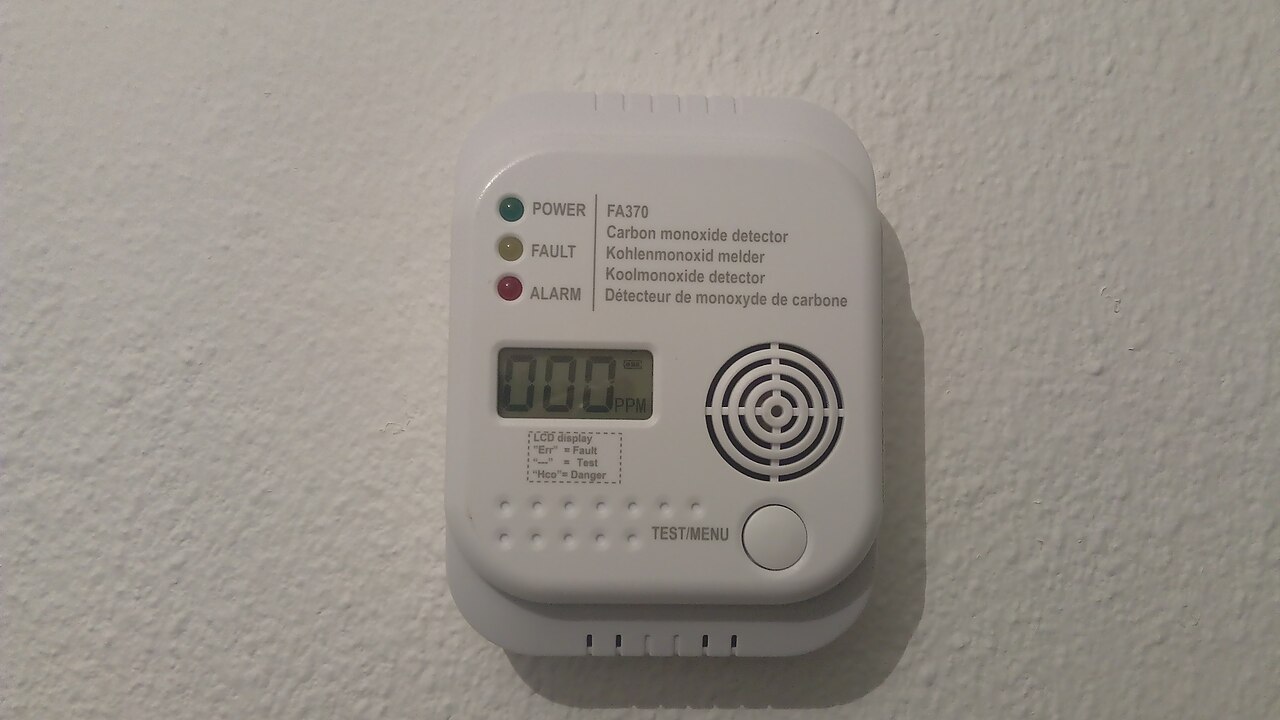 A residential carbon monoxide alarm with a digital parts-per-million (PPM) LCD readout and separate Power, Fault, and Alarm indicators. (Photo: Donald Trung Quoc Don via Wikimedia Commons, CC BY-SA 4.0).
Under UL 2034 and NFPA 72 / International Residential Code (IRC R314 & R315) guidelines:
- Where Smoke Alarms Belong: Inside every sleeping room, outside each separate sleeping area in the immediate vicinity of the bedrooms, and on every level of the home (including basements).
- Where Carbon Monoxide Alarms Belong: Outside each separate sleeping area in the immediate vicinity of the bedrooms and on every level of the home, plus inside bedrooms that contain a fuel-burning appliance (such as a gas fireplace).
- Avoid Kitchens, Garages, and Humid Bathrooms: Installing a combination smoke/CO unit directly in a kitchen or within 10 feet (3 meters) of a cooking appliance invites nuisance triggers, while bathroom steam and garage exhaust fumes degrade electrochemical CO cells prematurely.
- Check the CO Electrochemical Lifespan: Modern electrochemical CO sensors generally carry a 10-year lifespan matching the smoke chamber, though older designs lasted only 5 to 7 years. Confirm that a combination unit’s UL 2034 rating specifies a full 10-year end-of-life timer.
Hardwired 120VAC 3-Wire Interconnect vs. Wireless Mesh
Homes built or renovated under modern electrical and building codes typically feature hardwired 120VAC detector boxes connected by 14/3 or 12/3 non-metallic (NM-B) cable.
How the 3-Wire Harness Works
Inside a standard hardwired ceiling junction box, three conductors attach to the detector’s plug-in plastic pigtail harness:
- Black Wire (120VAC Hot) and White Wire (Neutral): Supply continuous line power from the household breaker panel, backed up by a sealed 10-year lithium battery or replaceable AA/9V cells inside the unit.
- Red or Orange Wire (9V DC Interconnect Signal): Connects every detector in the house on a shared signaling loop. When one basement detector senses smoke, it applies a low-voltage DC signal to the red/orange interconnect wire, forcing every connected alarm in the upstairs bedrooms to sound simultaneously.
Critical Rules When Mixing Brands or Adding Smart Units
- Never Replace a Hardwired Unit with a Battery-Only Model: Building codes generally prohibit downgrading hardwired 120VAC locations to battery-only units. If you want a battery-powered smart detector, check whether the model offers an explicitly certified 120VAC wired version.
- Do Not Mix Unverified Brands on the Red Interconnect Wire: According to NFPA 72 and manufacturer installation manuals (Kidde, First Alert / BRK), hardwired interconnect signaling voltage tolerances and pulse patterns are only guaranteed across compatible models listed in the manufacturer’s compatibility chart. Tying incompatible brands together on the red wire can cause silent interconnect failures or damage internal circuitry.
- Wireless Interconnect Alternatives: Some smart detectors (such as Google Nest Protect or wireless-interconnect First Alert/Kidde lines) link units over a local wireless protocol (such as 802.15.4 / Thread or proprietary RF) instead of the red physical wire. If replacing all units in the home with a wireless-interconnect system, the existing red interconnect wire in the ceiling box must be safely capped with a listed wire nut according to the new manufacturer’s instructions.
Three Practical Replacement Paths Compared
Because Google announced the discontinuation of the Nest Protect hardware line in 2025 (with First Alert introducing the First Alert Smart Smoke & Carbon Monoxide Alarm as a compatible replacement path that integrates with the Google Home app), homeowners should evaluate replacement options based on longevity, interconnect architecture, and local fallback.
| Architecture Path | Representative Hardware | Interconnect Method | Smart / Remote Alert Path | Best Household Fit |
|---|---|---|---|---|
| 1. Hardwired UL 217 8th Ed. + Acoustic Bridge | Kidde / First Alert 120V 8th Ed. Alarms + Smart Speaker (Echo / HomePod) or Zooz Z-Wave DC Signal Relay | Standard 120V 3-wire red interconnect loop | Smart speakers detect the standardized UL Temporal-3 / Temporal-4 acoustic pattern, or a listed dry-contact relay module reads the red interconnect wire | Homeowners who want code-compliant, inexpensive ($40–$65/unit) 10-year alarms without replacing $150+ smart units every decade |
| 2. Dedicated Wi-Fi Smart Combination Alarms | First Alert Smart Smoke & CO Alarm (SC5) / Kidde Smart Wi-Fi Alarms (Ring / App-enabled) | Wired 120V interconnect or wireless multi-unit link (model-specific) | Direct 2.4 GHz Wi-Fi push notifications for smoke, CO, and low-battery events; voice room announcements | Households frequently away from home (travelers, pet owners) who want room-named voice alerts and mobile silence for cooking warnings |
| 3. Local Z-Wave / Zigbee Native Alarms | First Alert Z-Wave Plus Smoke & CO Alarm (ZCOMBO-G) | Hub-coordinated automation via Home Assistant, SmartThings, or Ring Alarm | Local Z-Wave mesh triggers whole-home lighting, HVAC fan shutoff, and mobile alerts without cloud vendor lock-in | Local-control households running Z-Wave hubs or Ring Alarm base stations in battery-only retrofit locations |
Pre-Purchase Decision Tree
Use this sequence before ordering replacement detectors:
[Smoke & CO Detector Upgrade Decision Tree]
       │
       ├─► Step 1: Check existing ceiling boxes (Breaker OFF before removing unit).
       │     ├─► 3-Wire 120VAC Harness Present: Must buy 120VAC hardwired replacements.
       │     └─► No Wiring (Battery-Only Ceiling): Buy 10-year sealed battery or wireless-interconnect units.
       │
       ├─► Step 2: Are you replacing only ONE unit or the ENTIRE house?
       │     ├─► Single Unit (<10 yrs old network): Match the existing brand/interconnect list, or cap the red wire only if code permits wireless-only.
       │     └─► Full House (10-year expiration reached): Upgrade all units together to UL 217 8th Edition.
       │
       └─► Step 3: Choose your smart notification strategy.
             ├─► Lowest 10-Year Total Cost: Install standard UL 217 8th Ed. hardwired units + enable UL T3/T4 sound detection on HomePod/Echo or add one listed interconnect relay module.
             └─► Built-In Voice & App Alerts: Install Wi-Fi smart combination alarms on sleeping-level hallways and standard hardwired units in secondary bedrooms.
Official Sources & Standards Checked
The following safety standards and official manufacturer resources were verified on November 8, 2026:
- UL Solutions: UL 217 (8th Edition) Standard for Safety for Smoke Alarms — Cooking Nuisance and Polyurethane Foam Testing
- National Fire Protection Association (NFPA): NFPA 72 Smoke Alarm Installation, Interconnect, and 10-Year Replacement Guidelines and Carbon Monoxide Safety Guidance
- U.S. Consumer Product Safety Commission (CPSC): Smoke and Carbon Monoxide Alarm Safety Center
- Resideo / First Alert: Hardwired Smoke and CO Interconnect Compatibility Guide